
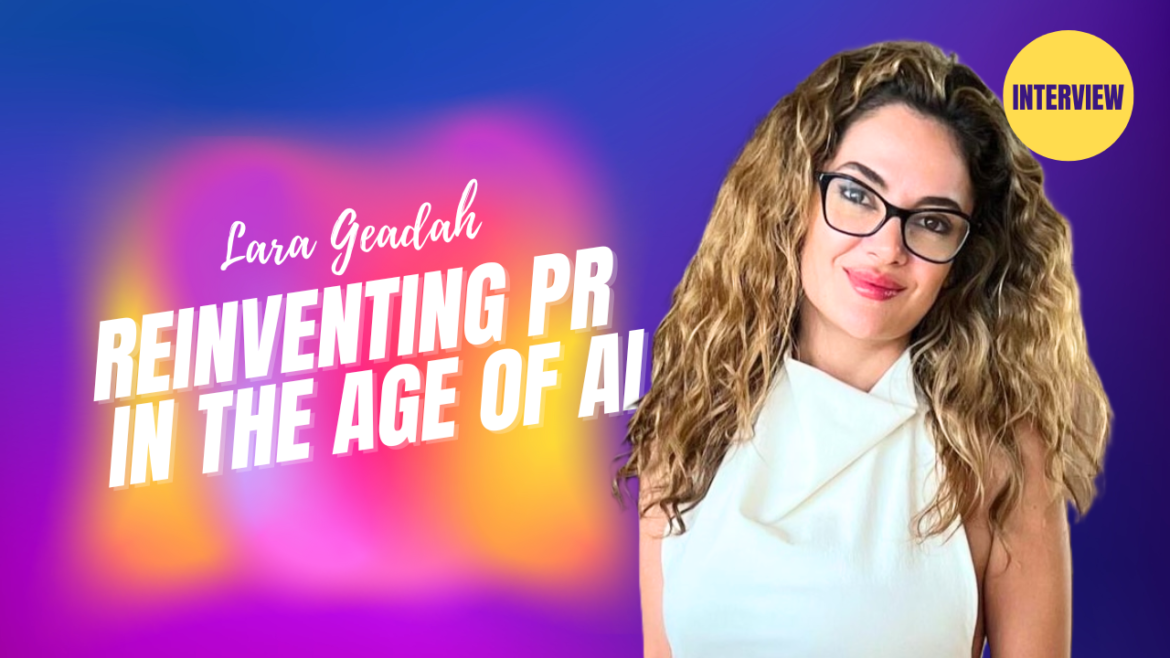
Lara Geadah, Founder of Cameo Comms, reflects on a decade of entrepreneurship in Dubai, the bold shift to a performance-based PR model, and the evolving expectations of leadership in the age of AI. From overcoming client losses to championing women’s visibility and independence, she shares candid insights on resilience, mentorship, and building credibility in competitive industries.
What defining moments or challenges most shaped your professional journey?
I started my entrepreneurial journey in Dubai 10 years ago. In the beginning, onboarding new clients was challenging, but we persevered and pushed through. The PR industry is not always sustainable, and last year presented both a significant challenge and a huge opportunity for me. I decided to rethink how PR works and launched a performance-based PR model, taking inspiration from other industries, where we charge clients based solely on results.
It wasn’t easy. We lost many of our retainer clients along the way. But we stayed the course, and today, we’re proud to be regarded as one of the top agencies in this space, particularly among SMEs.
What barriers do women still face in leadership today that aren’t talked about enough?
As women, we are often more empathetic, more caring, and tend to consider all sides of any relationship to ensure everyone benefits. Unfortunately, not everyone approaches business the same way. This can sometimes limit us professionally and be disappointing, I’m sure many other women can relate to this experience as well.
How have you built credibility and influence in environments where women are underrepresented?
Thankfully, I work in PR, a craft that teaches you how to build credibility and influence. We’re fortunate to live in an age where women can be anything and go anywhere they aspire to. With the right credibility, built through social media, consistent posting, attending the right events, and connecting with the right people, they can become the high-level experts they aspire to be.
Today, we see women excelling in male-dominated fields, from race car driving to leadership roles. This is often thanks to the power of PR and social media, and the exposure they give women to enter the right rooms and make their mark.
How is technology—especially AI and automation—changing leadership expectations in your industry?
Because of technology, we’re expected to work faster, smarter, and at lower cost than ever before. Automation, instant communication, and digital tools have dramatically increased the pace of business, but they also raise expectations often unrealistically.
What skills or mindsets will be most critical for the next generation of women leaders?
The mindset of “I can be anything, anywhere I want” is a powerful one. Your world truly is your oyster as a female entrepreneur, you have the freedom to create your own path and do what you want. I think that’s what’s so amazing about entrepreneurship. It offers independence, flexibility, and the ability to shape your own journey. More women could find happiness and fulfillment if they embrace this mindset and recognize the freedom that entrepreneurship can bring.
What role have mentorship and sponsorship played in your career, and how do you support others today?
I believe mentorship should be a constant in entrepreneurship. I support and take inspiration from so many incredible women all the time. It’s a bit like karma, you need to keep giving support to receive it in return. But beyond that, it’s important to genuinely enjoy the support you extend to others, because that’s what makes the cycle meaningful and impactful.
How can organizations move beyond policies to create cultures where women genuinely thrive?
Organizations should empower women to thrive by creating systems that allow them to develop their hobbies and passions. For example, this could include encouraging women to share their work publicly, grow their personal brand, and showcase their expertise.
Of course, this can sometimes be a double-edged sword. Many leaders are hesitant to take this step, especially because they want to safeguard their talent. But when done thoughtfully, empowering women in this way benefits both the individual and the organization, fostering engagement, growth, and long-term loyalty.
What advice would you give young women considering careers in IT, security, or leadership roles?
I can speak about leadership from personal experience, as I manage a PR firm. I would suggest that leaders focus on developing their network first and foremost—their success will naturally flow from those connections.
What does International Women’s Day mean to you, and what real change would you like to see beyond it?
International Women’s Day is a day to celebrate women, but I believe every day should be Women’s Day. It’s truly amazing how women manage to do it all, balancing family, work, and home, while continuing to inspire those around them.